Use of temporary electric fence
When choosing a temporary fencing system for your operation, it is best to understand the different fencing materials available. There are several different combinations of electric fence lines, posts and energizers to choose from.
Rotational grazing gives the pastures a period of rest, allowing them to regenerate, renew carbohydrate storage, and increase yield and durability. Rotational grazing systems divide larger pastures into smaller paddocks so that livestock can be easily moved from one paddock to another. The time of the grazing paddock should be flexible, depending on the size of the paddock, weather, forage availability, and plant growth rate. Having a movable or temporary fence system can provide maximum flexibility, especially for those who are just starting to practice managing grazing.
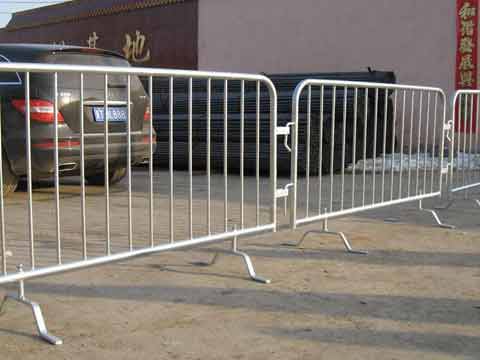
Temporary electric fence accessories
When choosing a temporary fencing system for your operation, it is best to understand the different fencing materials available. There are several different combinations of electric fence lines, posts and energizers to choose from.
Since the temporary fence is charged by an energizer, it is best to know which type is best for your operation. There are two main types of fence energizers, high impedance and low impedance. The pulse length of a high impedance charger is very long, which may cause the current to arc in the wire and heat up. If the fence comes into contact with weeds and grass, it may cause a fire and melt the filaments or filaments. Low-impedance chargers can withstand arc discharges because they have fast, intense pulses. Low-impedance chargers have greater ability to supply power over long distances for single-wire or multi-wire fences.
Although there are only two types of chargers, each type has different variations. Many brands provide AC-powered chargers (plug-in), battery-powered (DC) chargers, and DC-powered chargers, which have a built-in charging system (voltaic or solar panel) in the device, called " Solar-powered "" chargers. If your site is close to the power source, AC-powered chargers are the best source of reliable power, and are usually cheaper than DC-powered chargers. If this is not an option, please use your favorite DC power chargers. "Solar powered" devices are more expensive when first purchased, but require less attention than DC chargers that require regular replacement and recharge of batteries.
There are two basic types of temporary electric fence lines on the market: polywire and polytape. Both are woven from thin metal wires and plastic fiber strands. Most manufacturers use polywire instead of polytape because it is cheaper. However, polytape is easier to see by livestock and deer, but it also has a greater resistance. Polywire is available in a variety of colors. The color should contrast with the surrounding colors. White is the most common because it is easier to see by cows and deer than most other colors. Many brands offer different variations of multifilament and multifilament related to how many strands of metal filaments are in the wire. The more metal strands, the stronger the conductivity of the wire, and the higher the price. A higher number of multi-strand lines/multi-strand lines also tend to last longer. The wire reel is the next essential component to help move the temporary fence. Winding the wire around the arm (such as an extension cord) or stick will cause the wire to kink, which can cause the wire to break and the wire will not conduct properly.
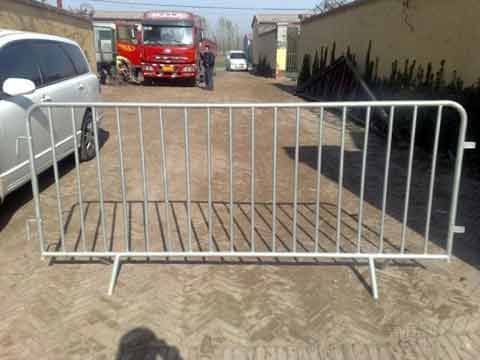
Temporary fence installation
When installing temporary fences, four different types of posts can be used. When the fence is expected to be moved frequently, plastic posts with built-in steps are more convenient because they allow people to step the posts into the ground and have pre-formed loops for wires. Plastic columns are made of durable, UV-resistant polymers, so they have a longer lifespan, even though the expected lifespan of this type of column is only three to five years. You can also use plug-in metal pigtail posts, which have a loop to pass the wires. These are slightly more expensive than other styles of temporary positions. Fiberglass poles are more suitable for fences that do not move frequently because they must be knocked on the ground. These poles require the use of wire clips or plastic insulators to slide on the poles to hold the wires in place, or use split pins to drill holes through them to secure the wires. They are cheaper than plastic columns and can be used for up to 20 years. Many manufacturers use 3/8" metal reinforced columns and sliding plastic insulators. These columns are also beaten on the ground and are cheaper and have a longer service life than plastic or fiberglass columns. Metal "t" columns are the strongest temporary columns , The longest duration, but they do require more labor to install and disassemble, and they are also more expensive than others. Insulators may also be lost due to deer crossing the fence. They are not as flexible as other types, but they can be used well Used as a corner post or when making sharp turns on a fence line.
The fence settings that apply to other people may not apply to you. Depending on the number of times you move the fence, the animal's temperament and cost are all factors you must consider. The proper use of temporary fences can help you implement an effective management grazing plan.
If you are looking for more details, kindly visit www soil net com, concrete l bolts, symon form ties.